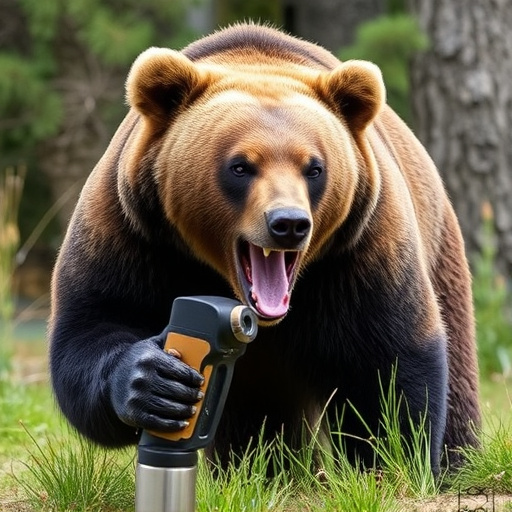
Using bear spray effectively requires understanding wind direction safety tips for optimal protection during outdoor adventures in Alaska's wilderness. Deploy spray with wind behind you, facing away from backscatter, aiming low at legs and face, keeping it stored securely, and following manufacturer guidelines for regular inspection and replacement. Prioritize responsible behavior, noise awareness, local regulations, maintaining distance from bear signs, and secure food storage to ensure safe coexistence with wildlife.
“In bear country, knowledge of bear spray safety is paramount. ‘Understanding Bear Spray: What It Is and How It Works’ delves into the chemistry behind this powerful tool for self-defense. ‘Wind Direction and Bear Spray Effectiveness’ explores how wind patterns can impact its performance, providing crucial insights to maximize safety.
‘Safety Tips for Proper Bear Spray Use and Storage’ offers practical guidance on application techniques and secure storage methods. Lastly, ‘Practicing Responsible Outdoor Behavior in Bear Country’ highlights key measures to avoid encounters, ensuring a safe outdoor experience.”
- Understanding Bear Spray: What It Is and How It Works
- Wind Direction and Bear Spray Effectiveness: A Crucial Factor
- Safety Tips for Proper Bear Spray Use and Storage
- Practicing Responsible Outdoor Behavior in Bear Country
Understanding Bear Spray: What It Is and How It Works
Bear spray, also known as bear repellent, is a powerful tool designed to protect individuals from potential bear encounters in their natural habitat. It’s not just another outdoor gear item; it’s a life-saving measure that can provide critical seconds for escape or deter an aggressive attack. This spray uses capsicum, the active ingredient found in chili peppers, to cause pain and irritation when sprayed into a bear’s face, eyes, and nose, temporarily disorienting and repelling the animal.
When using bear spray, understanding wind direction safety tips is crucial. Always keep yourself upwind from bears; this means you should be facing downwind or even slightly behind them. Spraying directly at a bear or into the wind can result in the spray blowing back onto you. Aim for the bear’s face and eyes if possible, but remember that it only takes a small amount to be effective. Knowing these basics can make a significant difference during an encounter, ensuring your safety in the beautiful yet unpredictable wilderness of Alaska.
Wind Direction and Bear Spray Effectiveness: A Crucial Factor
The effectiveness of bear spray is heavily influenced by wind direction, a crucial factor that users often overlook. When deploying bear spray, it’s essential to be mindful of where the wind is coming from and how it might affect the spray pattern. If the wind is blowing directly towards you or in your direction, the spray could potentially blow back onto yourself, rendering it less effective against an approaching bear.
To maximize safety tips when using bear spray, always ensure the wind is behind you, gently blowing away from you. This allows for the spray to reach and deter a bear effectively. Knowing how wind direction impacts bear spray can significantly enhance your preparation and response during potential encounters in Alaska’s vast wilderness.
Safety Tips for Proper Bear Spray Use and Storage
When using bear spray, understanding the wind direction is crucial for safety. Always ensure you’re facing away from potential spray backscatter and keep the wind at your back. Aim low, targeting the bear’s legs and face, as this increases the likelihood of successful de-escalation and minimizes collateral damage.
Proper storage is equally vital. Keep bear spray in an easily accessible yet secure location, out of children’s reach. Store it in a cool, dry place, away from direct sunlight or extreme temperatures, to maintain its effectiveness. Regularly inspect your spray for any signs of damage or expiration, replacing it as needed per the manufacturer’s guidelines.
Practicing Responsible Outdoor Behavior in Bear Country
When venturing into bear country, it’s vital to embrace responsible outdoor behavior. Always stay alert and make noise while trekking through potential bear habitats to avoid unexpected encounters. Before setting out, familiarize yourself with local regulations regarding bear spray usage and safety protocols. Bear spray is an effective deterrent when used correctly; understand the wind direction before deploying it as mist can blow back towards you.
Respecting wildlife and their natural environments is key. Keep a safe distance from any bear signs or tracks, and ensure your food is securely stored to avoid attracting bears. By adhering to these safety tips, you contribute to preserving both human and bear well-being in these shared ecosystems.
Bear spray is an effective tool for personal safety in bear country, but understanding wind direction and following proper usage guidelines are key to ensuring its effectiveness. By being mindful of these factors and practicing responsible outdoor behavior, you can enhance your safety when encountering bears in their natural habitat. Always remember the importance of storage and handling techniques outlined in this article, as they contribute to overall safety tips for a memorable and secure experience outdoors.