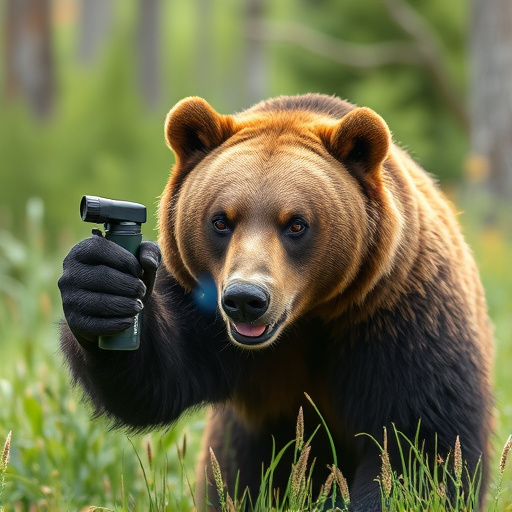
Understanding black bear behavior is crucial for safety while hiking or camping in their habitat. Bear spray, a powerful deterrent, should be used when encountering aggressive or approaching bears, aiming for the bear's face and eyes from downwind to ensure effectiveness while minimizing blowback. Always follow manufacturer instructions regarding usage distance and expiration dates. When choosing bear spray, consider range, concentration, and specific needs. Prioritize wind direction safety tips: apply opposite the wind with a quick 2-3 second burst at close range (20-30 feet). Keep spray in a cool, dry place away from direct sunlight, inspect for damage regularly, and aim at the bear's face during usage. Familiarize yourself with local regulations and practice usage to become comfortable with its range. Combining these practices with noise makers, brightly colored clothing, and staying informed on bear behavior enhances overall safety in bear country.
“Navigating encounters with wild black bears can be a concern for outdoor enthusiasts and residents alike. In such scenarios, knowing your defense options is vital for safety. This article guides you through an extensive overview of bear spray—its potential, selection, usage, and maintenance ‘how-tos’. From understanding black bear behavior and the significance of wind direction during application to extra safety measures beyond spray use, discover expert tips to ensure a safer, more informed experience in bear country. Equip yourself with these safety tips for maximum protection.”
- Understanding Black Bear Behavior and Spray Potential
- Selecting the Right Bear Spray for Your Needs
- Proper Usage Techniques: Wind Direction Matters
- Storage and Maintenance Tips for Optimal Effectiveness
- Additional Safety Measures Beyond Spray Use
Understanding Black Bear Behavior and Spray Potential
Understanding black bear behavior is crucial when it comes to safety in their presence, especially when hiking or camping in their habitat. These bears are generally shy and will avoid humans unless they feel threatened, surprised, or are protecting their cubs. They have an excellent sense of smell, which means even the faintest trace of food can attract them. Bear spray, a powerful deterrent, is designed to be used when you encounter a bear and it shows signs of aggression or approaches closer than expected.
Knowing the wind direction is a vital safety tip when carrying bear spray. Aim for the bear’s face and eyes, spraying from downwind. This ensures the spray reaches the bear directly, minimizing its potential to blow back towards you. Always follow manufacturer instructions on usage, including the recommended distance to deploy the spray (typically 20-30 feet). Regularly check expiration dates on canisters and store them properly in a cool, dry place to maintain effectiveness.
Selecting the Right Bear Spray for Your Needs
When choosing bear spray, consider your specific needs and the environment in which you’ll be using it. Factors like wind direction play a crucial role in effectiveness. Spray should be directed toward the bear’s face, but if the wind is blowing toward you, it may not reach the target area. Always check safety tips provided by manufacturers, as some recommend keeping bears at a safe distance with an initial spray to deter them before using a more aggressive approach if necessary.
Select a can that offers a good range and concentration of pepper spray. Look for products designed specifically for bear encounters, as these will have higher concentrations to effectively stop an aggressive bear. Keep in mind that different brands may have varying recommendations for safe usage distances, so read labels carefully before heading into the wilderness.
Proper Usage Techniques: Wind Direction Matters
When using bear spray, understanding wind direction is crucial for optimal safety and effectiveness. Always remember to apply the spray in the direction opposite to the wind. If it’s windy, aim slightly upwards as the spray will drift downwards, ensuring coverage on potential threats. Proper usage involves a quick burst of the spray, usually 2-3 seconds, at close range (around 20-30 feet).
This technique creates a barrier of irritants that can deter an attacking bear. Keep in mind, wind direction safety tips are especially vital when you’re in areas known for frequent bear activity or during seasons when bears are most active. Always carry your bear spray strategically, ensuring it’s within easy reach, and familiarize yourself with its operation before venturing into potential bear country.
Storage and Maintenance Tips for Optimal Effectiveness
To ensure optimal effectiveness, proper storage and maintenance of your bear spray are crucial. Store it in a cool, dry place away from direct sunlight, as extreme temperatures can affect its performance. Keep it out of reach of children and pets, and always store it in its original packaging with the nozzle sealed to prevent clogs or leaks. Regularly inspect the spray for any signs of damage or corrosion, especially after rough handling or exposure to harsh conditions.
When it comes to safety tips related to bear spray wind direction, remember that the spray should be aimed at the bear’s face and eyes, as these are sensitive areas. Always carry your spray on your person, not in a backpack, to ensure quick access. Before heading into bear country, familiarize yourself with local regulations regarding bear spray use, and practice using it regularly to become comfortable with its range and effectiveness. Pay attention to the wind direction; spraying away from you might seem counterintuitive, but it’s essential for minimizing your exposure to any potential bear spray backspray.
Additional Safety Measures Beyond Spray Use
When carrying bear spray, understanding the wind direction safety tips is paramount. Always ensure you can see clearly and that the spray isn’t blowing back towards you or any vulnerable areas like your eyes and mouth. The wind direction plays a crucial role in the effectiveness of bear spray; aiming correctly increases your chances of deterring an attack significantly.
Beyond using bear spray, there are other safety measures to consider. Carrying noise makers, such as whistles or bells, can startle bears and give you time to escape. Wearing brightly colored clothing and making yourself appear larger can also deter aggressive behavior. Regularly updating your knowledge on bear behavior and following local guidelines for backcountry safety are essential practices to complement the use of bear spray.
When it comes to protecting yourself in encounters with black bears, a good bear spray is an invaluable tool. By understanding how and when to use it, considering the spray’s wind direction, and implementing proper storage practices, you can significantly enhance your safety outdoors. Remember that while bear spray is effective, it should be one component of a comprehensive approach to bear safety, including awareness, noise making, and knowing how to react during an encounter. Stay informed, practice prevention, and embrace these safety tips for a more secure experience in bear country.